
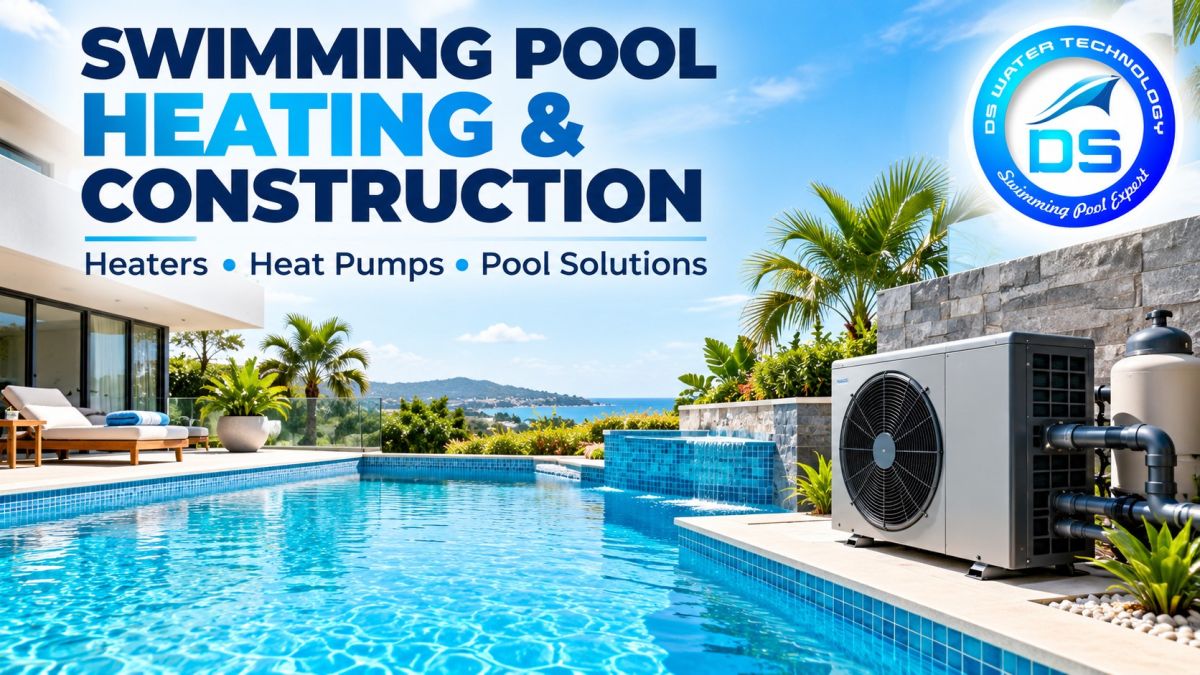
Swimming Pool Heater and Heat Pump: A Complete Guide for Modern Swimming Pool Construction
Planning a swimming pool for your home, hotel, resort, or commercial facility? A well-designed swimming pool requires more than an attractive structure. Proper heating, water circulation, filtration, and equipment selection are essential for creating a comfortable and long-lasting swimming experience.
With modern swimming pool heating technology, pool owners can enjoy comfortable water temperatures even during cooler weather. Understanding the right swimming pool heater, swimming pool heat pump, and heating requirements during swimming pool construction can help you make a better investment.
1. Why Is a Swimming Pool Heater Important?
A swimming pool heater helps maintain a comfortable water temperature when the weather becomes cold. Without a suitable heating system, swimming pools may become uncomfortable to use during winter and other cooler periods.
A properly selected swimming pool heater can be useful for:
-
Residential swimming pools
-
Hotels and luxury resorts
-
Indoor swimming pools
-
Fitness clubs and sports facilities
-
Spas and recreational centres
-
Commercial swimming pool projects
The right heater depends on the pool's water volume, desired temperature, local climate, operating hours, and available energy sources.
2. Swimming Pool Heat Pump: An Energy-Efficient Heating Solution
A swimming pool heat pump is a popular option for pool owners who want to extend their swimming season while managing energy consumption.
Unlike a conventional electric resistance heater, a heat pump transfers heat from the surrounding air into the pool water. Electricity powers the compressor, fan, and other components required for this process.
Key benefits of a swimming pool heat pump
Energy efficiency: Heat pumps can deliver several units of heat for each unit of electricity consumed, depending on operating conditions and equipment performance.
Consistent water temperature: A correctly sized system can maintain the desired pool temperature when operated according to the manufacturer's recommendations.
Extended swimming season: Pool owners can enjoy their swimming facilities for longer periods during cooler weather.
Residential and commercial applications: Different capacities are available for smaller private pools and larger commercial installations.
Temperature control: Many models include digital controllers that allow users to monitor and adjust water temperature.
When choosing a swimming pool heat pump, consider its heating capacity, coefficient of performance (COP), ambient operating range, water flow requirements, noise level, and installation space.
3. Swimming Pool Heater vs. Swimming Pool Heat Pump
Although both systems heat swimming pool water, their operating principles differ.
| Feature | Conventional Electric Heater | Swimming Pool Heat Pump |
|---|---|---|
| Heating method | Generates heat using electrical resistance | Transfers heat from surrounding air |
| Electricity consumption | Generally higher for the same heat output | Generally lower under suitable conditions |
| Heating response | Can heat water relatively quickly | Heating speed depends on capacity and weather |
| Best suited for | Certain small pools, spas, or specific heating needs | Pools requiring regular temperature maintenance |
| Initial investment | Depends on model and capacity | Often higher than a basic electric resistance heater |
The best choice depends on your pool usage, climate, installation budget, and long-term running costs. Actual efficiency varies with outdoor temperature, water temperature, and equipment specifications.
4. Why Plan Heating During Swimming Pool Construction?
Planning heating equipment during swimming pool construction can simplify installation and help prevent expensive modifications later.
Whether you are building a new pool or renovating an existing one, consider the following requirements.
Pool design and size
The pool's length, width, depth, and total water volume influence the heating capacity required. Larger pools generally need more heating output.
Plumbing and water circulation
The heating system must be integrated with suitable circulation pumps, filtration equipment, and compatible pipework. Proper water flow is essential for safe and effective operation.
Equipment placement
Heat pumps need adequate airflow and suitable clearance around the unit. The location should also account for drainage, electrical connections, noise, and maintenance access.
Insulation and pool covers
Indoor pools, insulated installations, and suitable pool covers can reduce heat loss. Outdoor pools may lose considerable heat through evaporation, particularly in windy conditions.
Electrical and safety requirements
The electrical supply, protection devices, earthing, and installation must meet the equipment manufacturer's instructions and applicable safety requirements. A qualified professional should carry out the installation.
5. Factors That Affect Swimming Pool Heating Costs
The cost of heating a swimming pool depends on several factors, not just the price of the equipment.
-
Pool size: A larger volume of water requires more energy to heat.
-
Target temperature: Higher temperature settings generally increase energy consumption.
-
Weather conditions: Cooler air and wind can increase heat loss.
-
Usage frequency: Pools operated for longer periods may require more heating.
-
Pool cover: A suitable cover can reduce evaporation and help retain heat.
-
Equipment efficiency: Correct sizing and efficient operation influence running costs.
-
Installation quality: Proper plumbing and system configuration support reliable performance.
For an accurate estimate, evaluate the pool dimensions, desired water temperature, local climate, and expected daily operating schedule before selecting equipment.
6. Choosing the Right Heating System for Your Pool
Different swimming pools have different heating requirements.
Residential swimming pools: A domestic swimming pool heat pump may be suitable when the pool requires regular heating and the available installation space meets the manufacturer's requirements.
Hotels and resorts: Commercial heating systems should be selected according to pool capacity, guest usage, operating hours, and required recovery time.
Indoor swimming pools: Heating requirements should account for both water temperature and indoor humidity management.
Spas and smaller pools: A suitable electric heater or specialised spa heating system may be appropriate when rapid heating or specific operating conditions are important.
Always compare technical specifications rather than choosing a system based on price alone.
7. Why Choose DS Water Technology?
DS Water Technology provides swimming pool equipment and solutions for residential and commercial requirements. Its offerings include pool heating systems, pumps, filtration equipment, underwater lights, and swimming pool construction-related products.
Whether you are planning a new swimming pool, upgrading an existing installation, or looking for a suitable heating solution, selecting compatible equipment is an important step towards long-term performance.
The team can help you explore suitable pool equipment based on your project requirements.
Conclusion
A comfortable swimming experience begins with proper planning and the right equipment. Choosing an appropriate swimming pool heater or swimming pool heat pump, together with well-planned swimming pool construction, can help improve comfort, manage energy use, and support reliable pool operation.
Before purchasing a heating system, assess your pool size, climate, desired temperature, filtration setup, and expected running costs.
Planning a new swimming pool or looking to upgrade your existing heating system?
Contact DS Water Technology to discuss your swimming pool equipment and heating requirements.
Website: https://dswswimmingpool.com/
Phone: +91-9560752752
Email: info@dswswimmingpool.com
Comments
No comments yet. Be the first to share your thoughts.
Leave a comment