
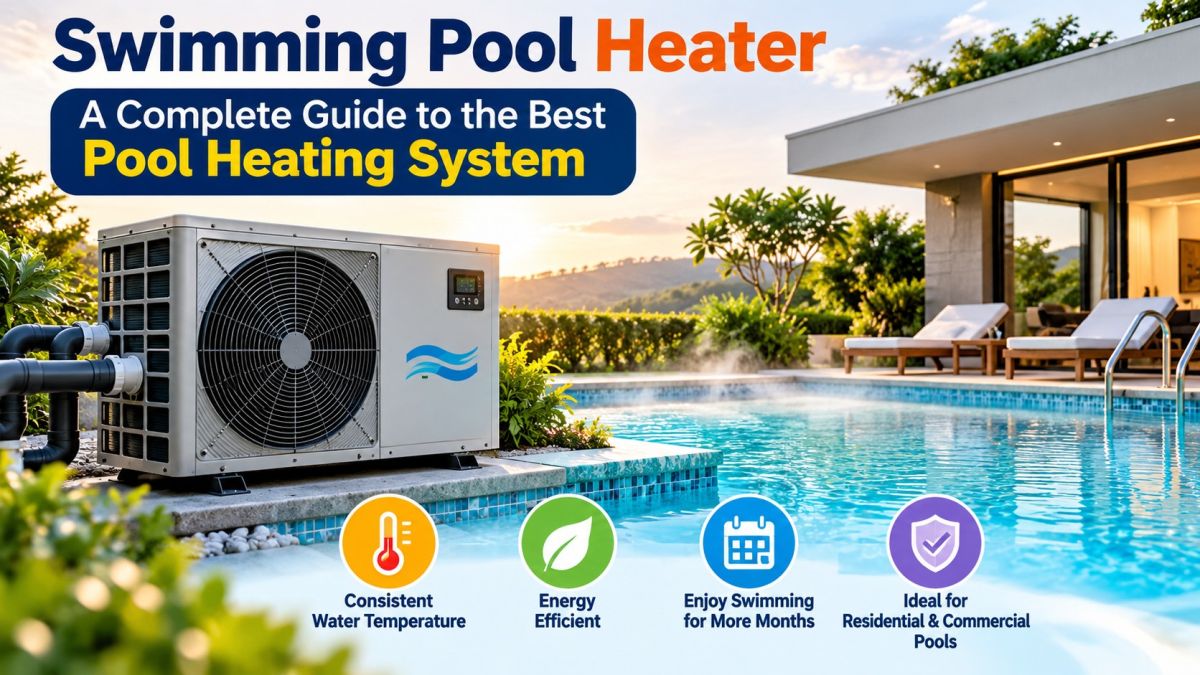
Swimming Pool Heater: A Complete Guide to Choosing the Best Pool Heating System
A swimming pool is a great addition to any residential or commercial property, but maintaining a comfortable water temperature throughout the year can be challenging. A high-quality Swimming Pool Heater helps you enjoy your swimming pool even during colder months by maintaining the desired water temperature.
At DS Water Technology, we understand the importance of efficient pool temperature management. Choosing the right Pool Heating System can improve swimming comfort, extend your swimming season, and help you make better use of your swimming pool.
What Is a Swimming Pool Heater?
A Swimming Pool Heater is a device designed to increase the temperature of swimming pool water and maintain comfortable swimming conditions. It is suitable for residential swimming pools, hotels, resorts, fitness centres, clubs, and commercial swimming facilities.
Depending on your pool size, usage, climate, and energy requirements, you can choose from different heating technologies, including heat pumps, electric heaters, and gas heaters.
Types of Pool Heating Systems
Selecting the right Pool Heating System depends on your budget, energy availability, installation requirements, and expected pool temperature.
1. Swimming Pool Heat Pump
A swimming pool heat pump is an energy-efficient heating solution that transfers heat from the surrounding air into the pool water. It generally consumes less electricity than conventional electric resistance heating because it moves heat rather than generating all the heat directly.
Benefits of a swimming pool heat pump:
-
Energy-efficient pool heating
-
Suitable for many residential and commercial pools
-
Consistent water temperature when properly sized
-
Ideal for extending the swimming season
-
Available in different capacities to suit pool requirements
A heat pump can be an excellent option for pool owners looking for an efficient and reliable Pool Heating System.
2. Electric Swimming Pool Heater
An electric swimming pool heater uses electrical resistance to heat pool water. It can be useful for smaller pools, spas, or applications requiring specific heating performance.
Before choosing an electric heater, consider the pool volume, electrical supply, running costs, and the required temperature increase.
3. Gas Swimming Pool Heater
Gas pool heaters use natural gas or LPG to heat water. They can heat pool water relatively quickly and may be appropriate for pools that require rapid heating or intermittent use.
However, fuel availability, operating costs, ventilation, and installation safety must be considered before selecting this type of heater.
How to Choose the Best Swimming Pool Heater
Choosing the right Swimming Pool Heater is essential for effective performance and long-term operating efficiency. Consider these factors before making a decision:
-
Pool size: The volume of water determines the heating capacity required.
-
Desired temperature: The difference between the current and target water temperature affects heating time and energy consumption.
-
Local climate: Outdoor temperature and humidity influence heating performance.
-
Energy efficiency: Compare the expected operating costs of different heating technologies.
-
Pool cover: A suitable pool cover reduces heat loss, particularly overnight.
-
Installation requirements: Check available space, plumbing arrangements, electrical supply, and equipment compatibility.
-
Maintenance: Choose equipment that can be inspected and serviced conveniently.
A professional assessment can help you select a Pool Heating System that matches your swimming pool's actual requirements.
Benefits of Installing a Pool Heating System
Installing an appropriate Pool Heating System offers several advantages for residential and commercial pool owners.
Enjoy Swimming for More Months
Pool heating can make swimming more comfortable during cooler weather, allowing you to use your pool beyond the hottest months of the year.
Improve Swimming Comfort
Maintaining a suitable water temperature can create a more enjoyable swimming experience for families, guests, club members, and hotel visitors.
Support Commercial Pool Operations
Hotels, resorts, gyms, and swimming clubs can benefit from a properly designed heating solution that supports more consistent pool temperatures.
Manage Energy Consumption
An efficient heating system, correct sizing, regular maintenance, and a pool cover can help reduce unnecessary energy use.
Swimming Pool Heater for Residential and Commercial Pools
The right Swimming Pool Heater depends on how the pool is used.
Residential swimming pools: Homeowners can choose a suitable heating solution based on pool dimensions, seasonal use, comfort preferences, and electricity costs.
Hotel and resort swimming pools: Commercial facilities may require higher-capacity equipment and a heating strategy designed for regular guest usage.
Fitness centres and swimming clubs: Consistent heating performance can help maintain comfortable conditions for routine swimming activities.
Indoor swimming pools: Indoor pools also require proper humidity management and ventilation alongside water heating.
How Does a Swimming Pool Heat Pump Work?
A swimming pool heat pump draws in surrounding air and uses a refrigerant cycle to transfer heat into the pool water. A circulation pump moves pool water through the heating equipment before returning the warmed water to the pool.
Its actual efficiency depends on outdoor air temperature, humidity, the required pool temperature, equipment capacity, and system installation.
For the best results, the heating equipment should be correctly sized and installed according to the manufacturer's specifications.
Swimming Pool Heater Installation and Maintenance
Correct installation is important for the performance and service life of your Swimming Pool Heater. The system should be compatible with your pool's circulation equipment and designed according to the manufacturer's requirements.
Recommended maintenance practices include:
-
Inspecting filters and circulation equipment regularly
-
Keeping the heater's air intake and surrounding area clear
-
Checking plumbing connections for leaks
-
Monitoring water chemistry according to equipment guidelines
-
Arranging professional servicing as recommended by the manufacturer
-
Using a suitable pool cover to reduce heat loss
Regular maintenance helps support reliable operation and can identify potential problems before they become more serious.
Why Choose DS Water Technology for Pool Heating Solutions?
DS Water Technology provides swimming pool equipment and solutions for residential and commercial applications. When planning a pool heating project, it is important to evaluate pool dimensions, usage patterns, local climate, and energy requirements before selecting the equipment.
Visit DS Water Technology to explore swimming pool equipment and discuss a suitable heating solution for your project.
Website: https://dswswimmingpool.com/
Frequently Asked Questions (FAQs)
1. What is the best Swimming Pool Heater for a swimming pool?
A swimming pool heat pump is often a good option for energy-efficient heating. However, the best choice depends on pool size, climate, budget, heating speed, and energy availability.
2. What is a Pool Heating System?
A Pool Heating System is equipment used to raise and maintain swimming pool water temperature. Common options include heat pumps, electric heaters, and gas heaters.
3. How long does a swimming pool take to heat up?
Heating time depends on pool volume, heater capacity, starting water temperature, target temperature, weather conditions, and heat loss. A professional sizing calculation can provide a more accurate estimate.
4. Is a swimming pool heat pump energy-efficient?
Yes, heat pumps can be highly energy-efficient because they transfer heat from the air into the water. Performance varies with weather conditions and the required water temperature.
5. Can a Swimming Pool Heater be used during winter?
Yes, an appropriately selected heater can extend pool usage during colder months. Actual performance depends on the heater type, outdoor temperature, pool insulation, and system capacity.
6. How can I reduce swimming pool heating costs?
Use a suitable pool cover, reduce unnecessary heat loss, maintain proper water circulation, select correctly sized equipment, and operate the heater according to the manufacturer's recommendations.
7. How do I select the right Pool Heating System for a commercial pool?
Consider pool volume, daily usage, required temperature, local climate, energy costs, and installation requirements. A professional assessment can help determine the appropriate heating capacity.
Conclusion
Choosing the right Swimming Pool Heater is an important step towards maintaining comfortable water temperatures and extending your swimming season. Whether you need a heat pump, electric heater, or another suitable Pool Heating System, the right equipment selection can improve heating performance and help manage energy costs.
Explore swimming pool equipment and heating solutions with DS Water Technology to find an option suited to your residential or commercial swimming pool.
Comments
No comments yet. Be the first to share your thoughts.
Leave a comment